Abstract
Psychological well-being during early childhood constitutes a critical foundation for children's cognitive, emotional and social development, yet increasing evidence indicates that many young learners experience emotional and behavioural difficulties linked to family environments and parenting practices. Despite extensive international research on parenting styles, empirical evidence examining the influence of parental disciplinary practices on the psychological well-being of pre-primary learners within Sub-Saharan Africa remains limited. This study examined the influence of parental disciplinary practices on the psychological well-being of learners attending public pre-primary schools in Tharaka-Nithi County, Kenya. Guided by Social Cognitive Theory and Ecological Systems Theory, the study adopted a correlational cross-sectional survey design embedded within a convergent mixed-methods approach. Quantitative data were obtained from teachers using structured questionnaires and learner observational checklists, while qualitative data were collected through interviews with parents to provide contextual understanding of disciplinary practices. Descriptive statistics, Pearson correlation, and Chi-square analyses were employed to analyze quantitative data, whereas qualitative data were analyzed thematically. The findings revealed that permissive and authoritative disciplinary practices were the most prevalent parenting approaches observed among learners. Although the overall association between parental disciplinary practices and learners' psychological well-being was not statistically significant, authoritative and democratic disciplinary practices demonstrated positive relationships with self-esteem, emotional regulation, and social competence, whereas authoritarian practices were negatively associated with children's anxiety management. Qualitative findings further indicated that supportive guidance, parent-child communication and participatory decision-making promoted children's emotional confidence, while punitive disciplinary approaches were perceived to undermine emotional security. The study concludes that disciplinary practices do not influence children's psychological well-being uniformly; rather, specific disciplinary approaches differentially shape particular dimensions of psychological functioning. The findings contribute context-specific evidence to the growing literature on parenting and child mental health in low- and middle-income countries and underscore the importance of promoting positive parenting interventions that emphasize warmth, communication and developmentally appropriate discipline within early childhood education.
|
Published in
|
Psychology and Behavioral Sciences (Volume 15, Issue 5)
|
|
DOI
|
10.11648/j.pbs.20261505.12
|
|
Page(s)
|
120-135 |
|
Creative Commons
|

This is an Open Access article, distributed under the terms of the Creative Commons Attribution 4.0 International License (http://creativecommons.org/licenses/by/4.0/), which permits unrestricted use, distribution and reproduction in any medium or format, provided the original work is properly cited.
|
|
Copyright
|
Copyright © The Author(s), 2026. Published by Science Publishing Group
|
Keywords
Parental Disciplinary Practices, Psychological Well-being, Parenting Styles, Pre-primary Education, Social Cognitive Theory, Kenya
1. Introduction
Psychological well-being during early childhood has increasingly become a global public health and educational priority because of its profound influence on children's lifelong learning, behaviour, health, and social adjustment. The early years represent a sensitive developmental period during which rapid neurological growth, emotional regulation and social competence are established. Experiences during this period shape children's capacity to adapt to school environments, develop meaningful interpersonal relationships, regulate emotions, and respond effectively to life's challenges
| [12] | Hosokawa, R., Matsumoto, Y., Nishida, C., Funato, K., & Mitani, A. (2024). Enhancing Social-Emotional Skills in Early Childhood: Intervention Study on The Effectiveness of Social and Emotional Learning. BMC Psychology, 12(1), 761. |
[12]
. Consequently, psychological well-being extends beyond the absence of mental illness to encompass positive emotional functioning, resilience, self-esteem, social connectedness, and adaptive behaviour, all of which collectively determine children's readiness for formal education and subsequent developmental outcomes. This conceptualization underpinned the present study, which viewed psychological well-being as comprising emotional stability, self-esteem, emotional regulation, social interaction, and the absence of psychological difficulties among pre-primary learners.
Growing international concern regarding children's mental health reflects an increasing prevalence of anxiety, emotional dysregulation, behavioural disorders and social adjustment difficulties among young children. These concerns have been documented across both high-income and low- and middle-income countries, prompting global organizations to recognize children's mental health as a fundamental component of sustainable development and educational quality. Although psychological disorders often become clinically visible during adolescence, mounting evidence suggests that their developmental origins are frequently established during early childhood, highlighting the importance of preventive interventions that strengthen protective family and school environments. Among the numerous determinants of children's psychological well-being, parenting practices remain one of the most influential. Parents constitute children's earliest and most enduring socializing agents, shaping behavioural expectations, emotional responses, interpersonal relationships and coping strategies through daily interactions. Within the family context, disciplinary practices represent a particularly important mechanism through which children internalize behavioural standards, emotional regulation skills and perceptions of self-worth. Consequently, variations in parental discipline may either promote psychological resilience or increase vulnerability to emotional and behavioural difficulties
| [7] | Deeya, S. (2024). Parental Perception and Practices to Support Socio-Emotional Development of Children Aged 3-5 Years (Doctoral Dissertation, Brac University). |
| [22] | Tripon, C. (2024). Nurturing Sustainable Development: The Interplay of Parenting Styles and SGDs in Children’s Development. Children, 11(6), 695. |
[7, 22]
.
1.1. Parenting as the Primary Developmental Context
Parenting encompasses the attitudes, beliefs, behaviours and interactional patterns through which caregivers nurture children's physical, emotional, cognitive and social development. Developmental scholars have consistently argued that parenting extends beyond behavioural control to include responsiveness, emotional warmth, communication, guidance and support
| [6] | Cheung, H., & Cheah, C. (2025). The Forms and Functions of Parental Control and Parental Warmth Across Cultures: Evidence for Commonality and Specificity. International Journal of Behavioral Development, 49(5), 419-430. |
[6]
. The quality of these interactions substantially influences children's capacity to regulate emotions, establish positive peer relationships, develop confidence and cope effectively with stressful situations.
Parental disciplinary practices constitute one of the most visible dimensions of parenting because they determine how parents respond to children's behaviour, establish expectations, enforce rules and communicate behavioural standards. Contemporary developmental literature generally categorizes disciplinary approaches into authoritative, authoritarian, permissive and democratic styles. Although these approaches differ in their balance between parental control and responsiveness, they collectively influence children's behavioural adjustment and psychological functioning through distinct developmental pathways. Authoritative parenting combines high expectations with warmth, responsiveness and open communication. Parents provide clear behavioural boundaries while encouraging autonomy and explaining the rationale behind rules. Democratic parenting similarly promotes children's participation in decision-making, mutual respect, and constructive dialogue while maintaining appropriate behavioural expectations. Conversely, authoritarian parenting emphasizes obedience, rigid control, and punitive discipline with limited emotional responsiveness, whereas permissive parenting is characterized by high warmth but minimal behavioural regulation and inconsistent enforcement of rules. These contrasting approaches expose children to different emotional experiences that may shape their psychological well-being in diverse ways
| [16] | Mogeni, S. (2025). Redefining Parental Responsibility: The Influence of Contemporary Parenting Styles on Character Development and Ethical Formation in Children. Available at SSRN 5116149. |
| [20] | Roșca, G., Iuga, I., & David, O. (2024). Inside-Out Mechanisms of Parental Practices and Children’s Externalizing Problems: The Role of Authoritarian Parenting Style, Parental Irrational Beliefs, Emotion Regulation, And Distress. Current Psychology, 43(4), 3292-3306. |
[16, 20]
.
1.2. Global Evidence on Parenting and Children's Psychological Well-Being
International scholarship consistently identifies parenting practices as important predictors of children's emotional, behavioural and social development. Across diverse cultural contexts, supportive parenting characterized by warmth, consistent discipline and effective communication has generally been associated with higher self-esteem, stronger emotional regulation, improved social competence and lower levels of anxiety. Conversely, harsh disciplinary approaches, inconsistent behavioural expectations and excessive permissiveness have frequently been linked to behavioural problems, emotional insecurity, aggression, anxiety and reduced resilience. Despite broad consensus regarding the importance of parenting, empirical findings remain far from uniform. Some investigations report strong predictive relationships between parenting styles and children's psychological well-being, whereas others demonstrate relatively modest or context-dependent effects after controlling for broader family, socioeconomic and environmental influences. Such inconsistencies suggest that parenting practices may not influence psychological well-being as a single global construct but rather affect specific psychological domains differently depending on children's developmental contexts
| [2] | Aneesh, A., Sia, S., & Kumar, P. (2024). Parent-Child Relationship and Psychological Well-Being of Adolescents: Role of Emotion Regulation and Social Competence. Journal of Human Behavior in The Social Environment, 34(2), 153-171. |
[2]
.
1.3. Parenting Practices Within African Contexts
Within Sub-Saharan Africa, parenting occurs within complex cultural, economic and social environments that differ considerably from those characterizing most Western parenting research. Extended family systems, communal child-rearing traditions, economic hardship, labour migration, orphanhood and changing family structures continue to reshape caregiving environments across many African communities
| [17] | Mohapanele, K. (2023). The Impact of Family Structure and Its Dynamics on Street Children Phenomenon in The North West Province of South Africa (Doctoral Dissertation, North-West University (South Africa). |
[17]
. While communal caregiving often strengthens children's social connectedness and resilience, socioeconomic adversity may simultaneously constrain parents' capacity to provide consistent supervision, emotional responsiveness, and developmentally appropriate discipline.
In many African settings, disciplinary practices continue to reflect a balance between traditional expectations of obedience and contemporary child-centred approaches that emphasize communication and emotional support. However, empirical evidence examining how these evolving disciplinary practices influence children's psychological well-being remains relatively limited, particularly among younger children attending pre-primary education. Most available studies have focused on adolescents or older primary school learners, leaving important developmental questions unanswered during early childhood when emotional and behavioural patterns are rapidly forming.
1.4. The Kenyan Context
In Kenya, considerable policy attention has been directed toward strengthening Early Childhood Development and Education as a foundation for lifelong learning. Nevertheless, children's psychological well-being remains largely dependent upon the quality of family environments within which early learning occurs. Parenting practices vary considerably across socioeconomic, cultural and geographical settings, with many families facing economic hardship, changing employment patterns, parental migration and evolving caregiving arrangements that influence children's daily experiences. Previous Kenyan studies
| [23] | Wangila, C. (2023). Psycho-social and Behavioural Interventions among Adolescent Students in Public Secondary Schools in Trans-Nzoia county, Kenya (Doctoral dissertation, University of Eldoret). |
[23]
. have documented increasing concerns regarding anxiety, emotional distress, behavioural difficulties, and reduced social competence among children, often linking these outcomes to family instability, inadequate parental involvement, harsh disciplinary approaches and socioeconomic disadvantage.
Tharaka-Nithi County exemplifies many of these contextual realities. The county experiences poverty, labour migration, changing caregiving arrangements and increasing reliance on elderly caregivers and other non-biological caregivers following parental illness, death or economic migration. These circumstances have heightened concerns regarding children's emotional security, behavioural adjustment and psychological development. Despite these realities, relatively little empirical evidence has systematically examined how specific parental disciplinary practices influence psychological well-being among pre-primary learners within this setting.
1.5. Research Gap and Study Contribution
Although substantial international evidence has linked parenting practices with children's psychological development, three important gaps remain evident. Most empirical studies have concentrated on adolescents or school-aged children, with comparatively limited attention devoted to pre-primary learners despite early childhood representing the most formative stage of socio-emotional development. Existing African studies remain geographically limited and frequently aggregate parenting into broad behavioural categories without examining how specific disciplinary styles relate to distinct dimensions of psychological well-being. Within Kenya, research has largely emphasized parenting influences on academic achievement, behavioural outcomes or general child welfare, leaving insufficient evidence regarding the relationship between disciplinary practices and psychological well-being among pre-primary learners in rural contexts.
This study addresses these gaps by providing context-specific evidence from public pre-primary schools in Tharaka-Nithi County, Kenya. The study advances understanding of how different disciplinary approaches relate to emotional regulation, self-esteem, anxiety management and social competence during early childhood. Rather than assuming that disciplinary practices exert a uniform influence on psychological well-being, the study examined whether particular disciplinary styles are associated with specific psychological outcomes. Accordingly, the study examined the influence of parental disciplinary practices on the psychological well-being of learners in public pre-primary schools in Tharaka-Nithi County, Kenya, and tested the null hypothesis that parental disciplinary practices have no statistically significant influence on learners' psychological well-being.
2. Literature Review
2.1. Conceptualizing Parental Disciplinary Practices
Parental disciplinary practices constitute one of the most influential dimensions of parenting because they define how caregivers regulate children's behaviour, communicate expectations, reinforce desirable conduct and respond to misconduct. Discipline extends beyond punishment to encompass the broader processes through which parents socialize children into acceptable behavioural norms while simultaneously fostering emotional security, self-regulation, and social competence
| [24] | Zhang, Y., Su, M., Huang, Y., Wang, J., Tan, Y., & Zhang, X. (2026). Influence of Parental Emotional Regulation Ability on The Social− Emotional Competence of Preschool Children with Special Needs: A Dual− Moderation Model Based on Caregiving Arrangements and Diagnostic Categories. Early Childhood Education Journal, 1-15. |
[24]
. Contemporary developmental psychology conceptualizes discipline as a developmental rather than punitive process, emphasizing guidance, communication, consistency, and emotional responsiveness as essential components of effective parenting.
The classification of parenting styles proposed by and later refined by continues to provide the dominant framework for understanding parental disciplinary practices. This typology distinguishes parenting according to two fundamental dimensions: parental responsiveness, reflecting warmth and emotional support, and parental demandingness, reflecting behavioural expectations and supervision. The interaction between these dimensions gives rise to four principal disciplinary approaches: authoritative, authoritarian, permissive and democratic parenting. Authoritative parenting is characterized by high responsiveness coupled with high behavioural expectations. Parents establish clear rules and consistent boundaries while encouraging open communication, reasoning, and children's participation in problem-solving. Such parents monitor children's behaviour without excessive control and provide emotional support that promotes independence alongside responsibility. Developmental research consistently identifies authoritative parenting as the disciplinary style most strongly associated with adaptive psychological functioning, including higher self-esteem, emotional resilience, prosocial behaviour, and academic competence
| [3] | Baumrind, D. (2013). The Influence of Parenting Style on Adolescent Competence and Substance Use. In Adolescents and Their Families (Pp. 22-61). Routledge. |
| [9] | Grusec, J., & Goodnow, J. (1994). Impact of Parental Discipline Methods on The Child's Internalization of Values: A Reconceptualization of Current Points of View. Developmental Psychology, 30(1), 4. |
| [14] | Maccoby, E., & Martin, E. (2007). Historical Overview of Socialization Research and Theory. Handbook of Socialization: Theory and Research, 1, 13-41. |
[3, 9, 14]
.
Authoritarian parenting represents a contrasting approach characterized by high control but relatively low emotional responsiveness. Parents emphasize obedience, conformity, and strict compliance with established rules, often relying on punitive disciplinary strategies and limited explanation of behavioural expectations
| [5] | Chen, Y. (2022). The Psychological Impact of Authoritarian Parenting on Children and The Youth. In 2022 2nd International Conference on Modern Educational Technology and Social Sciences (ICMETSS 2022) (Pp. 888-896). Atlantis Press. |
[5]
. While this approach may encourage immediate behavioural compliance, developmental theorists argue that excessive psychological control may undermine children's emotional autonomy, increase anxiety and reduce opportunities for developing independent problem-solving skills.
Permissive parenting combines high warmth with relatively low behavioural regulation. Parents demonstrate affection and acceptance but impose few consistent expectations or disciplinary consequences. Children therefore enjoy considerable autonomy but may receive limited guidance regarding behavioural boundaries, responsibility and self-control
| [19] | Pagán, A. (2025). Discipline, Love, and Authenticity: A Psychologist’s Guide to Coaching Parents. Journal of Health Service Psychology, 51(3), 143-154. |
[19]
. Although permissive parenting may foster emotional closeness within families, inconsistent discipline has frequently been associated with reduced behavioural self-regulation, impulsivity, and difficulties adapting to structured learning environments.
Democratic parenting emphasizes collaboration, dialogue and mutual respect between parents and children. Parents encourage children's participation in family decision-making while maintaining developmentally appropriate expectations and behavioural limits. Through shared problem-solving and respectful communication, children learn responsibility, negotiation and interpersonal competence
| [10] | Harahap, K., & Sahputra, D. (2023). Democratic Parenting of Single-Parent Men and Women in Instilling Social Interaction in Children. Scaffolding: Jurnal Pendidikan Islam Dan Multikulturalisme, 5(2), 95-109. |
[10]
. Although democratic parenting shares many characteristics with authoritative parenting, its defining feature lies in promoting children's active participation in decision-making processes that affect their daily lives.
Rather than representing mutually exclusive categories, these disciplinary approaches exist along a continuum of parental responsiveness and behavioural regulation. Parents may employ different disciplinary strategies depending on children's developmental stage, situational demands, cultural expectations, and family circumstances. Consequently, examining the relative influence of specific disciplinary styles provides greater explanatory value than treating discipline as a single undifferentiated construct.
2.2. Psychological Well-Being During Early Childhood
Psychological well-being represents a multidimensional construct encompassing children's emotional, cognitive, behavioural and social functioning. Within early childhood education, psychological well-being extends beyond the absence of emotional disorders to include children's ability to regulate emotions, develop positive self-perceptions, establish healthy peer relationships, demonstrate resilience when confronted with challenges and participate confidently in learning environments
| [15] | Martinez-Yarza, N., Solabarrieta-Eizaguirre, J., & Santibáñez-Gruber, R. (2024). The Impact of Family Involvement on Students’ Social-Emotional Development: The Mediational Role of School Engagement. European Journal of Psychology of Education, 39(4), 4297-4327. |
[15]
. Early childhood constitutes a particularly sensitive developmental period because neurological, emotional and social systems undergo rapid maturation during the first years of life. Experiences occurring within family environments therefore have disproportionate influence on children's subsequent psychological development. Secure attachment relationships, emotionally responsive caregiving and supportive behavioural guidance provide children with opportunities to develop confidence, emotional regulation and adaptive coping mechanisms that facilitate later educational achievement and social adjustment.
The present study conceptualized psychological well-being using four interrelated dimensions: emotional regulation, self-esteem, anxiety management and social competence. Emotional regulation refers to children's capacity to recognize, express and appropriately manage emotional experiences across different situations. Self-esteem reflects children's positive evaluation of their own competence, worth and ability to accomplish age-appropriate tasks. Anxiety management encompasses children's ability to cope effectively with fear, uncertainty, and stressful experiences without excessive emotional distress. Social competence describes children's capacity to establish positive peer relationships, cooperate with others, communicate effectively, and resolve interpersonal conflicts constructively
| [21] | Syakhrani, A., & Aslan, A. (2024). The Impact of Informal Family Education on Children's Social and Emotional Skills. Indonesian Journal of Education, 3(3), 619-631. |
[21]
. These dimensions are closely interconnected. Children who possess effective emotional regulation are generally better equipped to develop healthy peer relationships and positive self-esteem. Likewise, supportive social relationships often strengthen resilience and reduce vulnerability to anxiety. Consequently, psychological well-being should be viewed as a holistic developmental outcome rather than a collection of isolated psychological traits.
2.3. Empirical Evidence on Parental Disciplinary Practices and Children's Psychological Well-Being
2.3.1. Global Evidence
A substantial body of international research has established parenting practices as significant determinants of children's psychological adjustment. Across North America, Europe, Asia and Australia, authoritative parenting has consistently emerged as the disciplinary style most strongly associated with positive developmental outcomes
| [8] | Febiyanti, A., & Rachmawati, Y. (2021). Is Authoritative Parenting The Best Parenting Style?. In 5th International Conference on Early Childhood Education (ICECE 2020) (Pp. 94-99). Atlantis Press. |
[8]
. Children raised within authoritative households generally demonstrate superior emotional regulation, stronger social competence, higher self-esteem, greater resilience, and lower levels of anxiety than those exposed to more coercive or inconsistent disciplinary environments.
Meta-analytic evidence further indicates that emotionally supportive discipline promotes children's capacity to internalize behavioural expectations, develop adaptive coping strategies, and establish secure interpersonal relationships. Rather than relying on fear or punishment, authoritative parents foster behavioural regulation through explanation, encouragement and consistent guidance, enabling children to develop intrinsic motivation and emotional self-control. Conversely, authoritarian parenting has frequently been associated with increased anxiety, emotional withdrawal, reduced self-confidence, aggression, and poorer psychological adjustment. Excessive behavioural control, limited emotional responsiveness, and punitive disciplinary strategies may inhibit children's opportunities to develop independent decision-making skills and healthy emotional expression. Although authoritarian approaches may produce immediate behavioural compliance, long-term developmental outcomes have generally proved less favourable than those associated with supportive parenting
| [4] | Brumariu, L., Nair, T., Waslin, S., Rodrigues, G., Moore, M., & Kerns, K. (2025). Parental Emotion Socialization and Internalizing Problems in Childhood and Adolescence: A Meta-Analytic Review. Development and Psychopathology, 1-21. |
| [13] | Jones, R. (2022). Supporting Behaviour and Emotions in School: An Exploration into Children and Young People’s Experiences of Punitive In-School Approaches and School Staff Perspectives on The Journey from Sanction-Based Approaches to Compassionate and Nurturing Approaches (Doctoral Dissertation, University of Southampton). |
[4, 13]
.
Evidence regarding permissive parenting remains comparatively mixed. Some investigations suggest that emotionally warm but behaviourally unstructured parenting promotes children's creativity and self-expression, whereas others report associations with behavioural impulsivity, reduced self-discipline and poorer adjustment within structured educational environments. These inconsistencies indicate that permissive parenting may produce different developmental outcomes depending on broader cultural and family contexts.
2.3.2. African Evidence
Empirical research conducted across Sub-Saharan Africa generally supports international findings while simultaneously highlighting the influence of sociocultural context on parenting practices. Parenting within African societies frequently reflects collective child-rearing traditions, extended family involvement and cultural expectations emphasizing respect for elders and communal responsibility
| [1] | Abdulkareem, H., Tiamiyu, K., & Yusuf, J. (2025). From ancestral wisdom to ethical living: indigenous parenting and moral formation in children. Curricula: Journal of Curriculum Development, 4(1), 403-418. |
[1]
. Consequently, disciplinary practices often combine traditional behavioural expectations with contemporary child-centred approaches.
Studies conducted in several African countries have consistently reported positive associations between supportive parental communication, warmth and children's emotional well-being. Children whose parents combine behavioural expectations with emotional support generally demonstrate higher levels of resilience, social competence and psychological adjustment than those exposed to harsh or inconsistent disciplinary practices
| [11] | Hariani, M., Issalillah, F., & Corte-Real, J. M. (2024). Parenting Styles, Emotional Resilience, and Behavioral Adjustment Among Urban Adolescents. International Journal of Service Science, Management, Engineering, and Technology, 5(1), 31-36. |
[11]
. However, economic hardship, parental migration, changing family structures and caregiver stress frequently constrain parents' ability to provide consistent behavioural guidance and emotional responsiveness. Importantly, African studies increasingly recognize that disciplinary practices cannot be interpreted independently of broader socioeconomic realities. Household poverty, caregiver employment demands and reliance on extended family caregiving may substantially influence both parenting behaviour and children's psychological development. These contextual factors underscore the importance of generating locally relevant evidence rather than relying exclusively on findings derived from Western populations.
2.3.3. Kenyan Evidence
Within Kenya, research examining parenting and child development has expanded considerably during the past decade. Existing studies generally demonstrate positive relationships between supportive parenting practices and children's educational participation, behavioural adjustment, emotional development and academic achievement
| [18] | Mwangi, R., Kaaria, Z., & Kiambarua, G. (2025). The Influence of Authoritative Parenting on The Psychosocial Well-Being of Secondary School Students In Nairobi County, Kenya. African Journal of Emerging Issues, 7(21), 68-84. |
[18]
. Nevertheless, most investigations have focused on adolescents or upper primary school learners, with comparatively limited attention devoted to pre-primary education.
Kenyan studies have also tended to examine parenting as a broad multidimensional construct encompassing involvement, support, supervision and discipline simultaneously. Consequently, relatively little evidence isolates the specific influence of parental disciplinary practices on children's psychological well-being. Moreover, previous investigations have frequently emphasized academic outcomes or behavioural problems while devoting less attention to emotional regulation, self-esteem, anxiety management, and social competence during early childhood. Available evidence further suggests that changing socioeconomic conditions continue to reshape parenting practices across many Kenyan communities. Labour migration, increasing economic pressures, urbanization and the growing role of grandparents and other non-biological caregivers have altered traditional caregiving arrangements, potentially influencing both disciplinary practices and children's psychological well-being. These contextual changes reinforced the need for contemporary empirical evidence examining parenting within specific local settings such as Tharaka-Nithi County.
2.4. Synthesis of the Literature and Knowledge Gap
The reviewed literature demonstrates broad agreement that parenting constitutes one of the most important determinants of children's psychological development. Across diverse cultural contexts, disciplinary approaches characterized by warmth, communication, consistency and emotional responsiveness generally promote positive developmental outcomes, whereas harsh, coercive or inconsistent disciplinary practices are more frequently associated with emotional and behavioural difficulties. Nevertheless, important inconsistencies remain regarding the magnitude, direction, and contextual dependence of these relationships. Much of the existing literature has concentrated on older children and adolescents, leaving comparatively limited evidence regarding pre-primary learners whose socio-emotional development is particularly sensitive to early caregiving experiences. Although authoritative parenting has consistently demonstrated beneficial associations with psychological well-being, relatively few studies have examined how different disciplinary styles relate to distinct dimensions of psychological functioning, including emotional regulation, self-esteem, anxiety management, and social competence.
Evidence from Sub-Saharan Africa and Kenya in particular, remains limited despite substantial cultural and socioeconomic differences that may shape parenting practices and children's developmental experiences. Many previous studies have relied exclusively on quantitative designs, providing limited insight into parents' lived experiences and the contextual realities influencing disciplinary practices. The present study addressed these gaps by integrating quantitative and qualitative evidence to examine the influence of parental disciplinary practices on the psychological well-being of learners in public pre-primary schools in Tharaka-Nithi County, Kenya. By investigating specific disciplinary styles alongside distinct dimensions of psychological well-being within the complementary frameworks of Social Cognitive Theory and Ecological Systems Theory, the study provides context-specific evidence that advances understanding of parenting influences during early childhood and contributes to the growing body of literature on child mental health in low- and middle-income countries.
3. Methodology
3.1. Research Design
This study employed a convergent mixed-methods research design embedded within a cross-sectional correlational survey to examine the influence of parental disciplinary practices on the psychological well-being of learners in public pre-primary schools in Tharaka-Nithi County, Kenya. The convergent mixed-methods approach enabled the simultaneous collection and analysis of quantitative and qualitative data, thereby facilitating triangulation and enhancing the comprehensiveness of the findings. Quantitative data provided measurable evidence of the relationships between parental disciplinary practices and learners' psychological well-being, whereas qualitative data generated contextual explanations regarding how disciplinary practices were enacted within families and perceived to influence children's emotional and behavioural development.
The correlational design was appropriate because the study sought to determine the nature and magnitude of the relationship between parental disciplinary practices and psychological well-being without manipulating the study variables. Since parenting practices occur naturally within family settings, experimental manipulation would have been neither feasible nor ethically appropriate. The cross-sectional design further enabled data to be collected at a single point in time from respondents representing different public pre-primary schools within the study area, providing a snapshot of prevailing parenting practices and learners' psychological well-being.
3.2. Study Area
The study was conducted in Tharaka-Nithi County, located in the Eastern Region of Kenya. The county comprises diverse rural and peri-urban communities whose livelihoods are predominantly supported by small-scale agriculture and informal economic activities. Family structures within the county have undergone considerable transformation because of labour migration, economic constraints, changing caregiving arrangements and increasing reliance on grandparents and other non-biological caregivers for child upbringing. These contextual characteristics make the county an appropriate setting for examining parental disciplinary practices and their influence on children's psychological well-being. Public pre-primary schools within the county serve children from diverse socioeconomic backgrounds. The schools therefore provided an appropriate context for investigating how family disciplinary environments relate to learners' emotional and social functioning during early childhood.
3.3. Target Population
The target population comprised 48,357 participants, including 23,939 learners, 23,939 parents, and 479 teachers. A sample of 397 respondents was selected through stratified and proportionate random sampling across sub-counties. Although learners constituted the ultimate unit of analysis regarding psychological well-being, teachers and parents served as the principal sources of information because of their continuous interaction with children within school and home environments. Teachers were considered appropriate respondents because they observe children's behaviour, emotional adjustment, peer interactions and classroom participation over extended periods. Parents, on the other hand, provided first-hand accounts of disciplinary practices implemented within the family environment, thereby enriching interpretation of the quantitative findings through qualitative insights. The combination of these respondent groups enhanced methodological triangulation and strengthened the credibility of the study findings.
3.4. Sampling Procedures and Sample
A multistage sampling strategy was employed to obtain participants representing different geographical and educational contexts within Tharaka-Nithi County. Public pre-primary schools were first selected using probability sampling procedures to ensure equitable representation across the county. Thereafter, ECDE teachers were selected from the sampled schools to complete structured questionnaires and learner observational checklists.
Parents who participated in qualitative interviews were purposively selected based on their willingness to participate and their ability to provide rich information regarding disciplinary practices used within their households. Purposive sampling enabled the inclusion of parents representing diverse disciplinary approaches and family experiences, thereby enhancing the depth and diversity of qualitative data.
The sample size was determined using appropriate statistical procedures to ensure adequate statistical power for inferential analyses while maintaining representativeness of the study population. The final sample achieved satisfactory response rates, providing sufficient observations for both descriptive and inferential analyses.
3.5. Data Collection Instruments
Data were collected using structured teacher questionnaires, teacher-completed learner observational checklists and parent interview guides. A structured questionnaire was administered to ECDE teachers to obtain quantitative information. Responses were recorded using a five-point Likert scale ranging from 1 (Strongly Disagree) to 5 (Strongly Agree). To complement teachers' questionnaire responses, teachers completed a structured learner observational checklist based on their day-to-day interactions with learners within classroom and school environments. The checklist enabled teachers to identify the parental disciplinary styles they perceived to characterize individual learners while simultaneously documenting observable indicators of emotional regulation, social competence, behavioural adjustment and psychological functioning. The use of observational data minimized exclusive reliance on self-report measures and strengthened the validity of the quantitative findings.
A semi-structured interview guide was also used to collect qualitative data from parents regarding disciplinary practices implemented within their homes. The interviews explored parents' approaches to behaviour management, communication, emotional support, decision-making, and disciplinary strategies. Open-ended questions enabled participants to explain their experiences in their own words, thereby generating contextual evidence that complemented the quantitative findings. The use of multiple instruments facilitated methodological triangulation.
3.6. Validity and Reliability of the Instruments
Content validity of the research instruments was established through expert review involving specialists in Early Childhood Development Education, educational psychology and educational research methodology. The experts evaluated the instruments for clarity, relevance, comprehensiveness and alignment with the study objectives and theoretical constructs. Recommendations arising from the review were incorporated into the final versions of the instruments prior to data collection. A pilot study was conducted in public pre-primary schools in Embu County to assess the suitability of the research instruments and identify ambiguities requiring revision. The pilot exercise informed refinement of questionnaire wording, sequencing of items and administration procedures. The internal consistency reliability of the questionnaire was evaluated using Cronbach's alpha coefficient obtaining a value of 0.711, which demonstrated satisfactory reliability exceeding the generally accepted threshold of 0.70. These results indicated that the questionnaire items consistently measured the intended constructs and were therefore suitable for the main study.
3.7. Data Collection Procedures
Ethical approval and research authorization were obtained from the relevant institutional and national regulatory authorities before commencement of fieldwork. Permission to access participating public pre-primary schools was subsequently obtained from the County Director of Education and respective school administrators. Teachers were informed about the purpose of the study and provided written informed consent prior to completing the questionnaires and observational checklists. Parent interviews were conducted at mutually convenient times and locations after obtaining voluntary informed consent. Participants were assured that their responses would remain confidential and would be used solely for academic purposes. Questionnaires were administered personally by the researcher with the assistance of trained research assistants where necessary. Completed questionnaires were checked for completeness before respondents left the data collection venues to minimize missing information. Parent interviews were audio-recorded with participants' permission and supplemented by field notes to ensure accurate capture of participants' responses.
3.8. Data Analysis
Quantitative data were coded and analyzed using the Statistical Package for the Social Sciences (SPSS) version 29. Descriptive statistics, including frequencies, percentages, means, and standard deviations, were computed to summarize respondent characteristics and parental disciplinary practices.
Inferential statistical analyses were performed to examine the relationship between parental disciplinary practices and learners' psychological well-being. Pearson product-moment correlation coefficients were computed to determine the direction and strength of relationships between specific disciplinary styles and dimensions of psychological well-being. The Chi-square test of independence was employed to determine whether statistically significant associations existed between parental disciplinary practices and learners' overall psychological well-being. Cramer's V and the contingency coefficient were computed to estimate the strength of observed associations. Statistical significance was evaluated at the α =.05 level.
Qualitative interview data were transcribed verbatim and analyzed using thematic analysis. The analysis followed an iterative process involving familiarization with the data, generation of initial codes, identification of recurring themes, review and refinement of themes and interpretation of findings. Emerging themes were subsequently integrated with quantitative findings during interpretation to provide a comprehensive understanding of parental disciplinary practices and their influence on learners' psychological well-being.
3.9. Ethical Considerations
The study adhered to internationally accepted ethical principles governing research involving human participants. Ethical approval was obtained from the relevant university ethics review committee, while research authorization was secured from the appropriate national regulatory agency before commencement of fieldwork. Administrative permission was also obtained from the County Director of Education and participating school heads. Participation in the study was entirely voluntary. All respondents provided informed consent after receiving detailed information regarding the purpose of the study, procedures involved, potential benefits and their right to withdraw at any stage without penalty. Confidentiality and anonymity were maintained by assigning identification codes rather than participants' names and all research data were securely stored to prevent unauthorized access. Particular attention was given to safeguarding the rights and welfare of young learners by collecting information through teachers and parents rather than directly interviewing children.
4. Results
4.1. Participant Characteristics
The study obtained data from teachers and parents drawn from public pre-primary schools in Tharaka-Nithi County, Kenya. Teachers provided quantitative information through structured questionnaires and learner observational checklists, while parents participated in semi-structured interviews that explored disciplinary practices within the home environment. The combination of quantitative and qualitative data provided complementary perspectives for understanding how parental disciplinary practices relate to learners' psychological well-being. The 100 percent response rate was considered adequate for statistical analysis and qualitative interpretation, thereby enhancing the credibility of the findings.
4.2. Teachers' Perceptions of Parental Disciplinary Practices and Learners' Psychological Well-Being
Teachers were asked to rate statements describing the relationship between parental disciplinary practices and different dimensions of learners' psychological well-being.
Table 1 presents the descriptive statistics.
Table 1. Teachers' Perceptions of Parental Disciplinary Practices and Learners' Psychological Well-Being.
Statement | Mean | SD |
Authoritarian discipline linked to stress management difficulty | 3.50 | 1.31 |
Authoritative discipline helps child adapt flexibly | 3.75 | 0.46 |
Permissive discipline lowers goal-setting ability | 4.25 | 0.46 |
Democratic discipline improves conflict resolution and teamwork | 3.88 | 0.35 |
Source: Field Data (2025).
The descriptive statistics indicate important differences in teachers' perceptions of the psychological consequences associated with various parental disciplinary practices. Teachers expressed the strongest agreement that permissive disciplinary practices reduced children's goal-setting ability (M = 4.25, SD = 0.46). Democratic parenting was also rated highly (M = 3.88, SD = 0.35), with respondents perceiving this approach as promoting children's conflict-resolution skills and teamwork. Similarly, authoritative parenting received a relatively high mean score (M = 3.75, SD = 0.46), suggesting that teachers viewed supportive and structured parenting as facilitating children's adaptability and emotional functioning.
In contrast, authoritarian discipline recorded the lowest mean rating (M = 3.50, SD = 1.31) and exhibited the greatest variability among respondents. Teachers generally perceived harsh disciplinary practices as contributing to children's difficulties in managing stress, although the relatively large standard deviation suggests considerable differences in respondents' observations across schools. Overall, these findings suggest that teachers perceived parenting approaches characterized by warmth, guidance, and communication to be more conducive to children's psychological adjustment than disciplinary practices relying primarily on punishment or excessive leniency.
4.3. Parental Disciplinary Styles Observed Among Learners
To complement questionnaire responses, teachers completed a learner observational checklist identifying the parental disciplinary style they perceived to characterize each learner. The findings are presented in
Table 2.
Table 2. Parental Disciplinary Styles Observed by Teachers.
Discipline Style | Frequency | Percent |
Authoritarian | 11 | 3.4 |
Authoritative | 132 | 40.4 |
Permissive | 152 | 46.5 |
Democratic | 32 | 9.8 |
Total | 327 | 100.0 |
Source: Field Data (2025).
Teachers most frequently identified permissive parenting as the dominant disciplinary style among learners' families, representing 46.5% of valid observations. Authoritative parenting constituted the second most common disciplinary approach, accounting for 40.4% of learners. Democratic parenting was considerably less common (9.8%), while authoritarian parenting represented only 3.4% of the observed disciplinary styles.
The predominance of permissive parenting suggests that many parents exercised relatively limited behavioural control while allowing children substantial autonomy. Conversely, the substantial proportion of authoritative parenting indicates that a considerable number of learners experienced disciplinary environments characterized by warmth, responsiveness and consistent behavioural expectations. Democratic parenting, although less prevalent, reflected parenting approaches emphasizing communication and collaborative decision-making, whereas authoritarian parenting appeared relatively uncommon within the study population. These findings demonstrate that less coercive disciplinary approaches predominated among participating families, although the high prevalence of permissive parenting raises questions regarding consistency of behavioural guidance during early childhood.
4.4. Qualitative Findings on Parental Disciplinary Practices
The qualitative findings provided contextual insights into parents' disciplinary practices and complemented the quantitative evidence. Four interrelated themes emerged from the thematic analysis: discipline through punishment and control, guidance and supportive correction, promotion of autonomy and decision-making, and parent-child communication and participation.
4.4.1. Discipline Through Punishment and Control
Some parents described discipline primarily as a mechanism for correcting undesirable behaviour through warnings, withdrawal of privileges, and, in some instances, physical punishment. Respondents emphasized that disciplinary consequences were intended to promote obedience and behavioural compliance.
One parent explained: "When my child misbehaves, I first warn him, but if the behavior continues, I withdraw privileges such as television time or playing with friends." (Respondent 16).
These responses illustrate disciplinary approaches centred on behavioural control, although several participants acknowledged the importance of balancing firmness with understanding.
4.4.2. Guidance and Supportive Correction
Many parents described disciplinary practices based on explanation, emotional support, and constructive guidance rather than punishment. Participants emphasized helping children understand the consequences of their behaviour while encouraging reflection and learning.
One participant stated: "When my child makes a mistake, I sit down with her and explain why the behavior was wrong so that she can learn from it." (Respondent 45).
These findings suggest that supportive disciplinary approaches were perceived as promoting children's emotional resilience, confidence, and positive behavioural development.
4.4.3. Promotion of Autonomy and Decision-Making
Parents also described encouraging children to participate in age-appropriate decision-making while maintaining parental guidance. Participants viewed autonomy as an important component of children's personal development and confidence.
One parent remarked: "I allow my child to choose certain things, such as hobbies or how to organize schoolwork, but I guide the final decision." (Respondent 2).
The findings indicate that opportunities for decision-making were perceived as enhancing children's confidence and problem-solving abilities.
4.4.4. Parent-Child Communication and Participation
A fourth theme emphasized open communication and respectful dialogue within families. Parents reported encouraging children to express their opinions, participate in family discussions and communicate respectfully even when disagreements occurred.
One participant explained: "We discuss family issues together, and everyone is given a chance to express their opinion." (respondent 105).
Collectively, the qualitative findings suggest that disciplinary practices emphasizing communication, guidance, and participation were perceived to foster children's emotional security and psychological well-being, whereas punitive disciplinary approaches were viewed primarily as mechanisms for behavioural control.
4.5. Association Between Parental Disciplinary Practices and Learners' Psychological Well-Being
The null hypothesis stated that there is no statistically significant influence of parental disciplinary practices on learners' psychological well-being. To test this hypothesis, a Chi-square test of independence was performed. Cramer's V and the contingency coefficient were computed to estimate the strength of the observed association. The results are presented in
Table 3.
Table 3. Chi-Square Test of Independence Between Parental Disciplinary Practices and Learners' Psychological Well-Being.
Test | Value | df | p |
Pearson Chi-Square | 13.333 | 12 | .345 |
Likelihood Ratio | 14.543 | 12 | .267 |
Linear-by-Linear Association | 2.833 | 1 | .092 |
Table 4. Measures of Association Between Parental Disciplinary Practices and Psychological Well-Being Among Pre-Primary Learners in Tharaka-Nithi County.
Measure | Value |
Phi | 1.291 |
Cramer's V | .913 |
Contingency Coefficient | .791 |
Source: Field Data (2025).
The Chi-square test revealed no statistically significant association between parental disciplinary practices and learners' psychological well-being, χ
2(12) = 13.333,
p =.345. Since the probability value exceeded the predetermined significance level of .05, the null hypothesis was retained. Accordingly, the study did not find sufficient statistical evidence to conclude that parental disciplinary practices, when considered as broad categorical variables, significantly influenced learners' overall psychological well-being. Although Cramer's V and the contingency coefficient suggested a relatively strong practical association, the relationship did not attain statistical significance within the study sample. These findings indicate that parental disciplinary practices alone may not account for overall variation in children's psychological well-being when examined at an aggregate level. To further examine the relationships between specific parental disciplinary practices and individual dimensions of learners' psychological well-being, Pearson product-moment correlation analysis was performed. Unlike the Chi-square test, which examined the overall association between disciplinary practices and psychological well-being, the correlation analysis assessed the strength and direction of relationships between each disciplinary style and specific psychological outcomes, namely self-esteem, emotional regulation, anxiety management and social competence. The results are presented in
Table 5.
Table 5. Pearson Correlation Matrix between Parental Disciplinary Practices and Dimensions of Learners' Psychological Well-Being.
Parenting Style | Self-Esteem | Emotional Regulation | Anxiety Management | Social Competence |
Authoritative | .56 | .62 | .41 | .58 |
Authoritarian | -.31 | -.38 | -.44 | -.29 |
Permissive | .09 | .07 | -.06 | .05 |
Democratic | .44 | .39 | .35 | .42 |
p <.01 (2-tailed). |
The Pearson correlation analysis revealed important differences in the relationships between individual parental disciplinary practices and learners' psychological well-being. Authoritative parenting demonstrated statistically significant positive correlations with all four dimensions of psychological well-being. The strongest relationship was observed between authoritative parenting and emotional regulation (r =.62, p <.001), indicating that learners whose parents adopted supportive, responsive, and structured disciplinary practices were more likely to demonstrate effective emotional control. Authoritative parenting also exhibited strong positive relationships with social competence (r =.58, p <.001) and self-esteem (r =.56, p <.001), as well as a moderate positive association with anxiety management (r =.41, p <.001).
In contrast, authoritarian parenting showed statistically significant negative correlations with all dimensions of psychological well-being. The strongest inverse relationship was observed with anxiety management (r = -.44, p <.001), suggesting that harsh, punitive, and highly controlling disciplinary approaches were associated with greater difficulties in children's ability to cope with stressful situations. Authoritarian parenting also demonstrated moderate negative relationships with emotional regulation (r = -.38, p <.001), self-esteem (r = -.31, p <.001), and social competence (r = -.29, p <.001).
Permissive parenting exhibited weak and statistically non-significant relationships with all psychological well-being dimensions. The observed coefficients ranged from -.06 to .09, indicating that permissive disciplinary practices neither substantially enhanced nor undermined learners' psychological functioning within the study sample. Democratic parenting demonstrated moderate positive correlations with all psychological well-being dimensions. The strongest relationship was observed with self-esteem (r =.44, p <.001), followed by social competence (r =.42, p <.001), emotional regulation (r =.39, p <.001), and anxiety management (r =.35, p <.001). These findings suggest that disciplinary practices characterized by mutual respect, open communication, and children's participation in decision-making contribute positively to multiple aspects of psychological adjustment.
The Pearson correlation analysis indicates that the influence of parental disciplinary practices on learners' psychological well-being is not uniform across disciplinary styles. Rather, supportive parenting approaches, particularly authoritative and democratic parenting, were consistently associated with favourable psychological outcomes, whereas authoritarian parenting was associated with poorer emotional adjustment. The negligible correlations observed for permissive parenting further suggest that warmth without consistent behavioural guidance may be insufficient to promote optimal psychological development among pre-primary learners.
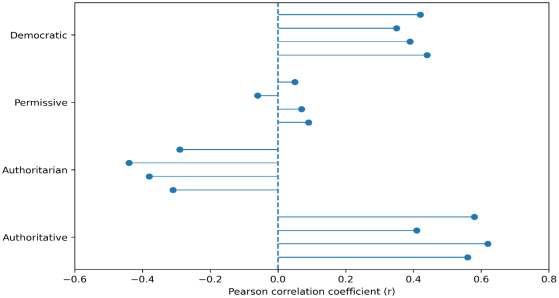
Figure 1 graphically summarizes the strength and direction of the Pearson correlation coefficients presented in
Table 5.
Figure 1. Forest Plot of Pearson Correlation Coefficients.
The visual representation demonstrates that authoritative parenting consistently exhibited the strongest positive correlations across all dimensions of learners' psychological well-being, particularly emotional regulation (r =.62), social competence (r =.58), and self-esteem (r =.56). Democratic parenting also showed moderate positive correlations with all psychological well-being dimensions. Conversely, authoritarian parenting demonstrated negative correlations across all dimensions, with the strongest inverse association observed for anxiety management (r = -.44). Permissive parenting exhibited only weak correlations, suggesting minimal influence on learners' psychological well-being.
5. Discussion
5.1. Predominance of Permissive and Authoritative Parenting
The study found that permissive parenting (46.5%) and authoritative parenting (40.4%) were the most frequently observed disciplinary approaches among parents of learners attending public pre-primary schools in Tharaka-Nithi County. Democratic parenting was considerably less prevalent, while authoritarian parenting constituted only a small proportion of the observed disciplinary styles. These findings suggest that parents within the study area generally favoured disciplinary approaches characterized either by emotional warmth with relatively limited behavioural control or by a balanced combination of warmth, guidance and appropriate behavioural expectations.
The predominance of permissive parenting may reflect the changing socioeconomic realities confronting many Kenyan families. Increasing parental employment outside the home, labour migration, economic pressures, and the growing involvement of grandparents and other caregivers in child-rearing may reduce opportunities for consistent supervision and behavioural regulation. Consequently, parents may adopt more accommodating disciplinary approaches in an effort to maintain positive relationships with their children despite reduced time for direct caregiving. Similar observations have been reported in several African studies, where socioeconomic pressures have been associated with more flexible parenting practices, particularly in households where caregiving responsibilities are shared among multiple family members. The substantial proportion of authoritative parenting observed in the present study is encouraging because it indicates that many parents continue to combine behavioural expectations with emotional warmth and supportive communication. Developmental psychologists have consistently argued that authoritative parenting provides children with predictable behavioural boundaries while simultaneously promoting independence, emotional security and positive interpersonal relationships. Such disciplinary environments enable children to internalize behavioural expectations through reasoning rather than fear, thereby strengthening emotional regulation and adaptive social functioning.
These findings support Social Cognitive Theory, which proposes that children acquire behavioural and emotional competencies through observation and repeated interaction with significant caregivers. Parents who consistently model respectful communication, emotional regulation, and constructive problem-solving provide children with opportunities to imitate adaptive behaviours and develop healthy coping strategies. Similarly, Ecological Systems Theory suggests that the family constitutes the child's primary microsystem, within which daily interactions establish behavioural patterns that influence subsequent development. The predominance of supportive disciplinary approaches therefore provides an important ecological context for children's psychological adjustment. The findings also contribute to the growing literature demonstrating that parenting practices are evolving within Sub-Saharan Africa in response to changing economic, cultural and educational environments. Rather than portraying African parenting as uniformly authoritarian, the present study suggests increasing adoption of supportive and participatory disciplinary approaches among families of young children. This finding adds context-specific evidence from rural Kenya to an area of research that has been dominated by studies conducted in Western societies.
5.2. Differential Influence of Parental Disciplinary Practices on Learners' Psychological Well-Being
One of the most important findings of the study was that parental disciplinary practices did not exert a uniform influence on children's psychological well-being. While the overall Chi-square analysis indicated no statistically significant association between disciplinary practices and learners' psychological well-being, the Pearson correlation analysis revealed substantial differences between individual disciplinary styles and specific dimensions of psychological functioning. This apparent inconsistency represents a significant contribution of the present study because it demonstrates that aggregate analyses may obscure meaningful relationships operating at the level of individual psychological outcomes.
Authoritative parenting demonstrated strong positive associations with learners' emotional regulation, self-esteem, social competence, and anxiety management. These findings reinforce a substantial body of international literature identifying authoritative parenting as the disciplinary style most conducive to children's socio-emotional development. Parents who combine warmth, consistent behavioural expectations and constructive communication create emotionally secure environments that facilitate children's acquisition of adaptive coping strategies, confidence and interpersonal competence. Rather than relying on coercion, authoritative parents encourage children to understand behavioural expectations, regulate emotions and resolve interpersonal conflicts constructively.
The positive influence of democratic parenting observed in the present study further highlights the importance of participatory family relationships during early childhood. Democratic disciplinary practices encourage children's involvement in age-appropriate decision-making while maintaining parental guidance and supervision. Such interactions provide children with opportunities to express opinions, negotiate solutions, and develop interpersonal skills that contribute to positive psychological functioning. Although democratic parenting was less prevalent than authoritative parenting, its consistent positive associations with all psychological well-being dimensions suggest that respectful parent-child communication constitutes an important protective factor during early childhood.
In contrast, authoritarian parenting demonstrated negative associations with every dimension of psychological well-being examined in the study, with the strongest inverse relationship observed for anxiety management. This finding suggests that harsh disciplinary practices emphasizing obedience, punishment, and psychological control may undermine children's emotional security and reduce their ability to cope effectively with stressful situations. Although authoritarian discipline may achieve immediate behavioural compliance, it appears less effective in promoting children's emotional resilience and adaptive psychological functioning.
The negligible relationships observed between permissive parenting and psychological well-being suggest that emotional warmth alone may be insufficient to support optimal socio-emotional development. While children may benefit from affectionate parent-child relationships, the absence of consistent behavioural guidance may limit opportunities for developing self-discipline, emotional regulation, and responsibility. These findings therefore support developmental perspectives emphasizing that effective parenting requires an appropriate balance between emotional responsiveness and behavioural regulation.
Collectively, these findings strengthen Social Cognitive Theory by demonstrating that children internalize behavioural and emotional responses through repeated observation of parental interactions. Parents who consistently model supportive communication, emotional regulation, and constructive discipline provide behavioural templates that children subsequently adopt in their own social interactions. Likewise, Ecological Systems Theory explains that these daily parent-child interactions represent proximal processes through which developmental outcomes are shaped within the family microsystem.
5.3. Explaining the Divergence Between the Chi-Square and Pearson Correlation Findings
Perhaps the novelest contribution of the present study lies in explaining why the Chi-square analysis indicated no statistically significant association between parental disciplinary practices and learners' overall psychological well-being, whereas Pearson correlation analysis identified meaningful relationships between individual parenting styles and specific psychological outcomes.
The Chi-square analysis examined parental disciplinary practices and psychological well-being as broad categorical constructs. Such aggregation assumes that all disciplinary styles exert similar influences across every dimension of psychological well-being. However, children's psychological functioning is inherently multidimensional, encompassing emotional regulation, self-esteem, anxiety management and social competence, each of which may respond differently to particular parenting behaviours. The Pearson correlation analysis demonstrated precisely this complexity. Authoritative parenting exhibited strong positive associations with emotional regulation and social competence, whereas authoritarian parenting primarily affected anxiety management. Democratic parenting was more strongly associated with self-esteem and interpersonal functioning, while permissive parenting showed minimal relationships with any psychological dimension. Consequently, when these differentiated relationships were combined into an overall categorical measure, the positive and negative influences effectively offset one another, resulting in a non-significant overall association.
This finding has important methodological implications for parenting research. It suggests that future investigations should avoid relying exclusively on aggregate indicators of psychological well-being because such measures may conceal meaningful developmental relationships. Instead, researchers should examine individual psychological dimensions separately to better understand the specific developmental mechanisms through which parenting practices influence children's well-being. From a theoretical perspective, these findings extend both Social Cognitive Theory and Ecological Systems Theory by illustrating that caregiver influences operate through multiple developmental pathways rather than through a single global mechanism. Children's emotional regulation, anxiety management, self-esteem and social competence appear to develop through partially distinct processes that are differentially influenced by specific parental disciplinary practices.
5.4. Integration of Quantitative and Qualitative Findings
An important strength of the present study lies in the convergence of quantitative and qualitative evidence. While statistical analyses identified positive associations between authoritative and democratic parenting and several dimensions of psychological well-being, qualitative interviews provided practical explanations for these relationships. Parents who emphasized guidance, communication and collaborative problem-solving described disciplinary approaches that encouraged children to reflect on their behaviour, express emotions openly, and participate in age-appropriate decision-making. These practices mirror the characteristics of authoritative and democratic parenting identified in the quantitative analysis. Similarly, parents who relied primarily on punitive disciplinary approaches emphasized behavioural compliance rather than emotional understanding. Such narratives correspond closely with the observed negative relationships between authoritarian parenting and anxiety management. The integration of qualitative and quantitative findings therefore strengthens confidence in the study's conclusions by demonstrating convergence across different sources of evidence.
The mixed-methods design also illustrates the value of combining statistical analyses with parents' lived experiences. Quantitative findings identified the existence and direction of statistical relationships, whereas qualitative data explained the mechanisms through which disciplinary practices influence children's psychological adjustment. This methodological complementarity enhances the credibility and practical relevance of the study.
5.5. Implications for Early Childhood Education Policy and Practice
The findings of this study have important implications for parenting programmes, early childhood education and child mental health policy in Kenya. The consistently positive associations observed for authoritative and democratic parenting suggest that parent education programmes should emphasize positive discipline, emotional communication and developmentally appropriate behavioural guidance rather than punitive disciplinary approaches. Such programmes could be integrated into school-based parental engagement initiatives and community early childhood development programmes. ECDE teachers should be equipped to recognize behavioural indicators associated with different parenting practices and collaborate with parents in promoting children's socio-emotional development. Teacher professional development should therefore include components addressing child mental health, family engagement, and positive parenting practices. County governments and education stakeholders should strengthen parenting support services through community outreach, parenting workshops and psychosocial support programmes targeting families experiencing socioeconomic stress. Given the observed predominance of permissive parenting, interventions should particularly focus on helping parents balance emotional warmth with consistent behavioural guidance. The findings emphasize the importance of incorporating parenting support within broader child well-being policies. Psychological well-being should be recognized as a fundamental educational outcome rather than solely a family responsibility, requiring coordinated collaboration among schools, families, health professionals and community organizations.
6. Conclusion
This study examined the influence of parental disciplinary practices on the psychological well-being of learners in public pre-primary schools in Tharaka-Nithi County, Kenya. Although the overall association between parental disciplinary practices and learners' psychological well-being was not statistically significant, the findings revealed important differences in how specific disciplinary approaches related to individual dimensions of psychological functioning. Authoritative and democratic parenting were consistently associated with higher levels of emotional regulation, self-esteem, social competence and anxiety management, whereas authoritarian parenting demonstrated negative relationships with these outcomes. In contrast, permissive parenting exhibited weak and statistically non-significant associations with psychological well-being. These findings suggest that parental disciplinary practices do not influence children's psychological well-being uniformly; rather, their effects are multidimensional and dependent on the specific disciplinary approach adopted. Parenting characterized by warmth, consistent behavioural expectations, respectful communication and children's participation in age-appropriate decision-making appears to promote positive psychological adjustment during early childhood. Conversely, disciplinary practices emphasizing excessive control and punitive responses may undermine children's emotional security and resilience.
Through integrating quantitative and qualitative evidence within the complementary perspectives of Social Cognitive Theory and Ecological Systems Theory, this study contributes to the growing body of literature demonstrating that supportive parent-child interactions constitute an important developmental resource for children's psychological well-being. The findings further highlight the importance of examining specific dimensions of psychological well-being rather than relying solely on aggregate indicators that may conceal meaningful developmental relationships. Overall, the study provides context-specific evidence that advances understanding of parenting and child psychological development within Kenyan early childhood education and offers a foundation for strengthening positive parenting interventions in similar low- and middle-income settings.
7. Practical Implications
The findings of this study have important implications for early childhood education policy, parenting interventions and child mental health promotion.
1) The positive associations observed between authoritative and democratic parenting and learners' psychological well-being underscore the need for school-based parenting education programmes that promote positive discipline, effective communication, emotional responsiveness and age-appropriate behavioural guidance. Such programmes should encourage parents to balance behavioural expectations with warmth and supportive interactions rather than relying on punitive disciplinary approaches.
2) ECDE teachers should be equipped through continuous professional development to recognize behavioural indicators associated with different parenting practices and collaborate effectively with parents in promoting children's socio-emotional development. Strengthening home-school partnerships can facilitate early identification of learners experiencing emotional or behavioural difficulties and support timely intervention.
3) County governments and education stakeholders should integrate parenting support into existing Early Childhood Development programmes by providing community-based training, counselling services and awareness campaigns that emphasize the developmental benefits of positive disciplinary practices. Particular attention should be directed towards helping families establish consistent behavioural boundaries while maintaining nurturing parent-child relationships.
4) The findings suggest that psychological well-being should be explicitly incorporated into early childhood education policy and practice. Beyond supporting children's academic readiness, ECDE programmes should promote emotional regulation, self-esteem, social competence and resilience as essential developmental outcomes. Achieving these goals requires coordinated collaboration among parents, teachers, school administrators, counsellors, community organizations and policy makers to create supportive environments that foster children's holistic development.
Abbreviations
ECDE | Early Childhood Development and Education |
SPSS | Statistical Package for the Social Sciences |
Author Contributions
Hannah Wanjiku Kanga’ra: Conceptualization, Investigation, Validation, Visualization, Writing – original draft, Writing – review & editing
Joachim Njagi: Data curation, Formal Analysis, Investigation, Resources, Supervision, Validation, Writing – review & editing
Conflicts of Interest
The authors declare no conflict of interest.
References
| [1] |
Abdulkareem, H., Tiamiyu, K., & Yusuf, J. (2025). From ancestral wisdom to ethical living: indigenous parenting and moral formation in children. Curricula: Journal of Curriculum Development, 4(1), 403-418.
|
| [2] |
Aneesh, A., Sia, S., & Kumar, P. (2024). Parent-Child Relationship and Psychological Well-Being of Adolescents: Role of Emotion Regulation and Social Competence. Journal of Human Behavior in The Social Environment, 34(2), 153-171.
|
| [3] |
Baumrind, D. (2013). The Influence of Parenting Style on Adolescent Competence and Substance Use. In Adolescents and Their Families (Pp. 22-61). Routledge.
|
| [4] |
Brumariu, L., Nair, T., Waslin, S., Rodrigues, G., Moore, M., & Kerns, K. (2025). Parental Emotion Socialization and Internalizing Problems in Childhood and Adolescence: A Meta-Analytic Review. Development and Psychopathology, 1-21.
|
| [5] |
Chen, Y. (2022). The Psychological Impact of Authoritarian Parenting on Children and The Youth. In 2022 2nd International Conference on Modern Educational Technology and Social Sciences (ICMETSS 2022) (Pp. 888-896). Atlantis Press.
|
| [6] |
Cheung, H., & Cheah, C. (2025). The Forms and Functions of Parental Control and Parental Warmth Across Cultures: Evidence for Commonality and Specificity. International Journal of Behavioral Development, 49(5), 419-430.
|
| [7] |
Deeya, S. (2024). Parental Perception and Practices to Support Socio-Emotional Development of Children Aged 3-5 Years (Doctoral Dissertation, Brac University).
|
| [8] |
Febiyanti, A., & Rachmawati, Y. (2021). Is Authoritative Parenting The Best Parenting Style?. In 5th International Conference on Early Childhood Education (ICECE 2020) (Pp. 94-99). Atlantis Press.
|
| [9] |
Grusec, J., & Goodnow, J. (1994). Impact of Parental Discipline Methods on The Child's Internalization of Values: A Reconceptualization of Current Points of View. Developmental Psychology, 30(1), 4.
|
| [10] |
Harahap, K., & Sahputra, D. (2023). Democratic Parenting of Single-Parent Men and Women in Instilling Social Interaction in Children. Scaffolding: Jurnal Pendidikan Islam Dan Multikulturalisme, 5(2), 95-109.
|
| [11] |
Hariani, M., Issalillah, F., & Corte-Real, J. M. (2024). Parenting Styles, Emotional Resilience, and Behavioral Adjustment Among Urban Adolescents. International Journal of Service Science, Management, Engineering, and Technology, 5(1), 31-36.
|
| [12] |
Hosokawa, R., Matsumoto, Y., Nishida, C., Funato, K., & Mitani, A. (2024). Enhancing Social-Emotional Skills in Early Childhood: Intervention Study on The Effectiveness of Social and Emotional Learning. BMC Psychology, 12(1), 761.
|
| [13] |
Jones, R. (2022). Supporting Behaviour and Emotions in School: An Exploration into Children and Young People’s Experiences of Punitive In-School Approaches and School Staff Perspectives on The Journey from Sanction-Based Approaches to Compassionate and Nurturing Approaches (Doctoral Dissertation, University of Southampton).
|
| [14] |
Maccoby, E., & Martin, E. (2007). Historical Overview of Socialization Research and Theory. Handbook of Socialization: Theory and Research, 1, 13-41.
|
| [15] |
Martinez-Yarza, N., Solabarrieta-Eizaguirre, J., & Santibáñez-Gruber, R. (2024). The Impact of Family Involvement on Students’ Social-Emotional Development: The Mediational Role of School Engagement. European Journal of Psychology of Education, 39(4), 4297-4327.
|
| [16] |
Mogeni, S. (2025). Redefining Parental Responsibility: The Influence of Contemporary Parenting Styles on Character Development and Ethical Formation in Children. Available at SSRN 5116149.
|
| [17] |
Mohapanele, K. (2023). The Impact of Family Structure and Its Dynamics on Street Children Phenomenon in The North West Province of South Africa (Doctoral Dissertation, North-West University (South Africa).
|
| [18] |
Mwangi, R., Kaaria, Z., & Kiambarua, G. (2025). The Influence of Authoritative Parenting on The Psychosocial Well-Being of Secondary School Students In Nairobi County, Kenya. African Journal of Emerging Issues, 7(21), 68-84.
|
| [19] |
Pagán, A. (2025). Discipline, Love, and Authenticity: A Psychologist’s Guide to Coaching Parents. Journal of Health Service Psychology, 51(3), 143-154.
|
| [20] |
Roșca, G., Iuga, I., & David, O. (2024). Inside-Out Mechanisms of Parental Practices and Children’s Externalizing Problems: The Role of Authoritarian Parenting Style, Parental Irrational Beliefs, Emotion Regulation, And Distress. Current Psychology, 43(4), 3292-3306.
|
| [21] |
Syakhrani, A., & Aslan, A. (2024). The Impact of Informal Family Education on Children's Social and Emotional Skills. Indonesian Journal of Education, 3(3), 619-631.
|
| [22] |
Tripon, C. (2024). Nurturing Sustainable Development: The Interplay of Parenting Styles and SGDs in Children’s Development. Children, 11(6), 695.
|
| [23] |
Wangila, C. (2023). Psycho-social and Behavioural Interventions among Adolescent Students in Public Secondary Schools in Trans-Nzoia county, Kenya (Doctoral dissertation, University of Eldoret).
|
| [24] |
Zhang, Y., Su, M., Huang, Y., Wang, J., Tan, Y., & Zhang, X. (2026). Influence of Parental Emotional Regulation Ability on The Social− Emotional Competence of Preschool Children with Special Needs: A Dual− Moderation Model Based on Caregiving Arrangements and Diagnostic Categories. Early Childhood Education Journal, 1-15.
|
Cite This Article
-
APA Style
Ndago, E. C., Kanga’ra, H. W., Kiptum, C., Njagi, J. (2026). Parental Disciplinary Practices and Psychological
Well-Being Among Pre-Primary Learners in Tharaka-Nithi County, Kenya. Psychology and Behavioral Sciences, 15(5), 120-135. https://doi.org/10.11648/j.pbs.20261505.12
 Copy
|
Copy
|
 Download
ACS Style
Ndago, E. C.; Kanga’ra, H. W.; Kiptum, C.; Njagi, J. Parental Disciplinary Practices and Psychological
Well-Being Among Pre-Primary Learners in Tharaka-Nithi County, Kenya. Psychol. Behav. Sci. 2026, 15(5), 120-135. doi: 10.11648/j.pbs.20261505.12
Copy
|
Download
AMA Style
Ndago EC, Kanga’ra HW, Kiptum C, Njagi J. Parental Disciplinary Practices and Psychological
Well-Being Among Pre-Primary Learners in Tharaka-Nithi County, Kenya. Psychol Behav Sci. 2026;15(5):120-135. doi: 10.11648/j.pbs.20261505.12
Copy
|
Download
-
@article{10.11648/j.pbs.20261505.12,
  author = {Erastus Catherine Ndago and Hannah Wanjiku Kanga’ra and Charles Kiptum and Joachim Njagi},
  title = {Parental Disciplinary Practices and Psychological
Well-Being Among Pre-Primary Learners in Tharaka-Nithi County, Kenya},
  journal = {Psychology and Behavioral Sciences},
  volume = {15},
  number = {5},
  pages = {120-135},
  doi = {10.11648/j.pbs.20261505.12},
  url = {https://doi.org/10.11648/j.pbs.20261505.12},
  eprint = {https://article.sciencepublishinggroup.com/pdf/10.11648.j.pbs.20261505.12},
  abstract = {Psychological well-being during early childhood constitutes a critical foundation for children's cognitive, emotional and social development, yet increasing evidence indicates that many young learners experience emotional and behavioural difficulties linked to family environments and parenting practices. Despite extensive international research on parenting styles, empirical evidence examining the influence of parental disciplinary practices on the psychological well-being of pre-primary learners within Sub-Saharan Africa remains limited. This study examined the influence of parental disciplinary practices on the psychological well-being of learners attending public pre-primary schools in Tharaka-Nithi County, Kenya. Guided by Social Cognitive Theory and Ecological Systems Theory, the study adopted a correlational cross-sectional survey design embedded within a convergent mixed-methods approach. Quantitative data were obtained from teachers using structured questionnaires and learner observational checklists, while qualitative data were collected through interviews with parents to provide contextual understanding of disciplinary practices. Descriptive statistics, Pearson correlation, and Chi-square analyses were employed to analyze quantitative data, whereas qualitative data were analyzed thematically. The findings revealed that permissive and authoritative disciplinary practices were the most prevalent parenting approaches observed among learners. Although the overall association between parental disciplinary practices and learners' psychological well-being was not statistically significant, authoritative and democratic disciplinary practices demonstrated positive relationships with self-esteem, emotional regulation, and social competence, whereas authoritarian practices were negatively associated with children's anxiety management. Qualitative findings further indicated that supportive guidance, parent-child communication and participatory decision-making promoted children's emotional confidence, while punitive disciplinary approaches were perceived to undermine emotional security. The study concludes that disciplinary practices do not influence children's psychological well-being uniformly; rather, specific disciplinary approaches differentially shape particular dimensions of psychological functioning. The findings contribute context-specific evidence to the growing literature on parenting and child mental health in low- and middle-income countries and underscore the importance of promoting positive parenting interventions that emphasize warmth, communication and developmentally appropriate discipline within early childhood education.},
 year = {2026}
}
Copy
|
Download
-
TY  - JOUR
T1  - Parental Disciplinary Practices and Psychological
Well-Being Among Pre-Primary Learners in Tharaka-Nithi County, Kenya
AU  - Erastus Catherine Ndago
AU  - Hannah Wanjiku Kanga’ra
AU  - Charles Kiptum
AU  - Joachim Njagi
Y1  - 2026/09/09
PY  - 2026
N1  - https://doi.org/10.11648/j.pbs.20261505.12
DO  - 10.11648/j.pbs.20261505.12
T2  - Psychology and Behavioral Sciences
JF  - Psychology and Behavioral Sciences
JO  - Psychology and Behavioral Sciences
SP  - 120
EP  - 135
PB  - Science Publishing Group
SN  - 2328-7845
UR  - https://doi.org/10.11648/j.pbs.20261505.12
AB  - Psychological well-being during early childhood constitutes a critical foundation for children's cognitive, emotional and social development, yet increasing evidence indicates that many young learners experience emotional and behavioural difficulties linked to family environments and parenting practices. Despite extensive international research on parenting styles, empirical evidence examining the influence of parental disciplinary practices on the psychological well-being of pre-primary learners within Sub-Saharan Africa remains limited. This study examined the influence of parental disciplinary practices on the psychological well-being of learners attending public pre-primary schools in Tharaka-Nithi County, Kenya. Guided by Social Cognitive Theory and Ecological Systems Theory, the study adopted a correlational cross-sectional survey design embedded within a convergent mixed-methods approach. Quantitative data were obtained from teachers using structured questionnaires and learner observational checklists, while qualitative data were collected through interviews with parents to provide contextual understanding of disciplinary practices. Descriptive statistics, Pearson correlation, and Chi-square analyses were employed to analyze quantitative data, whereas qualitative data were analyzed thematically. The findings revealed that permissive and authoritative disciplinary practices were the most prevalent parenting approaches observed among learners. Although the overall association between parental disciplinary practices and learners' psychological well-being was not statistically significant, authoritative and democratic disciplinary practices demonstrated positive relationships with self-esteem, emotional regulation, and social competence, whereas authoritarian practices were negatively associated with children's anxiety management. Qualitative findings further indicated that supportive guidance, parent-child communication and participatory decision-making promoted children's emotional confidence, while punitive disciplinary approaches were perceived to undermine emotional security. The study concludes that disciplinary practices do not influence children's psychological well-being uniformly; rather, specific disciplinary approaches differentially shape particular dimensions of psychological functioning. The findings contribute context-specific evidence to the growing literature on parenting and child mental health in low- and middle-income countries and underscore the importance of promoting positive parenting interventions that emphasize warmth, communication and developmentally appropriate discipline within early childhood education.
VL  - 15
IS  - 5
ER  -
Copy
|
Download





 Share This Article
 Twitter
 Linked In
 Facebook